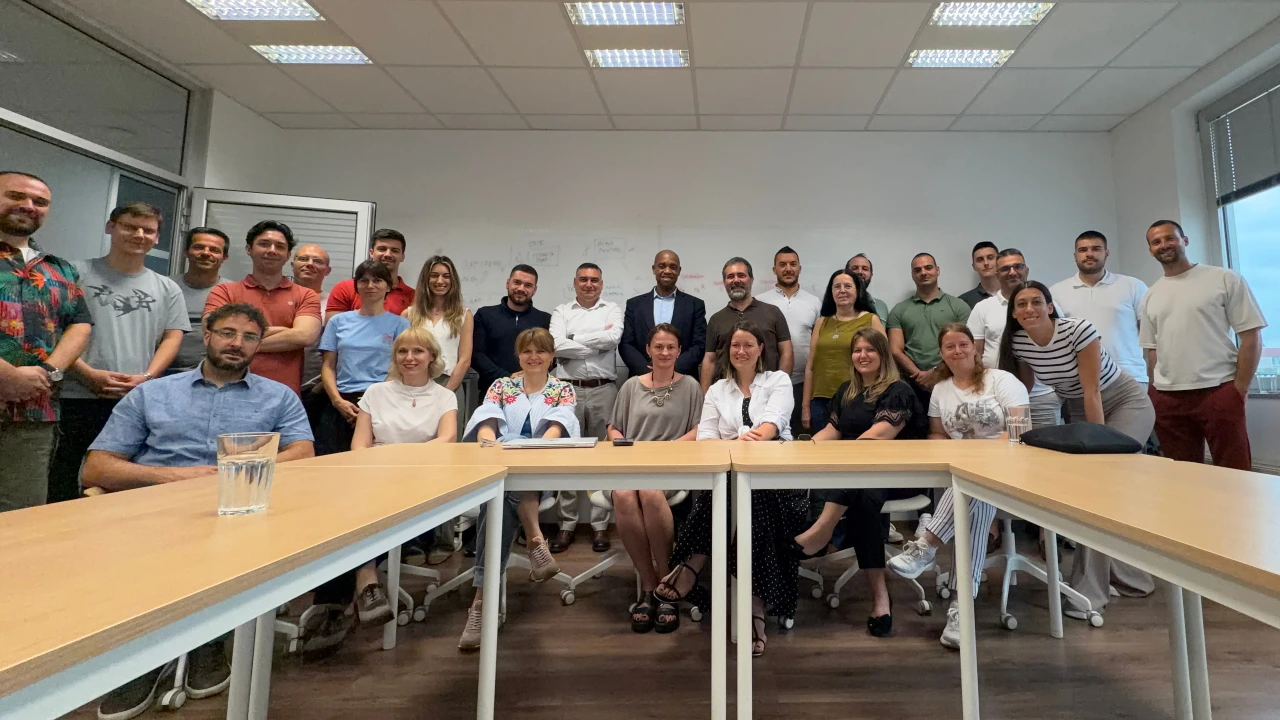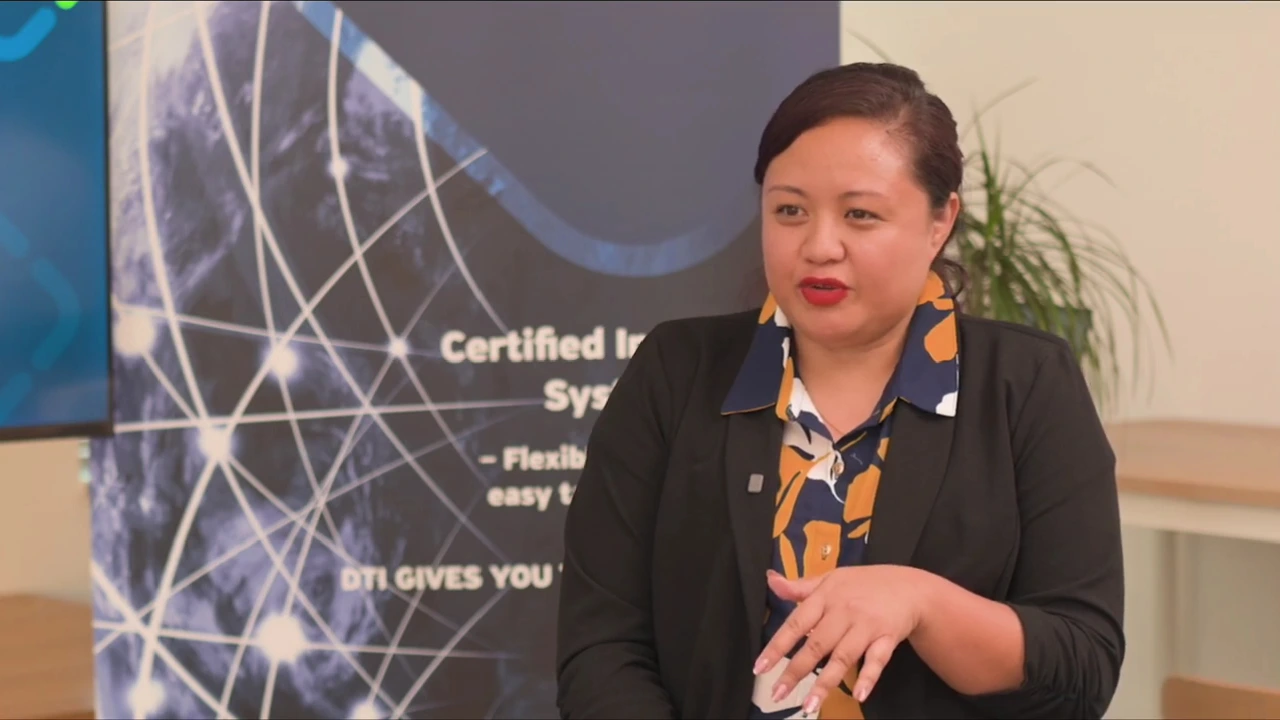

Tonga fiscalization process entered a new phase end of July 2026, when Tonga’s Minister for Customs & Inland Services, Hon. Sevenitini Toumo’ua, and Data Tech International CEO Goran Todorov signed the contract for the implementation of TaxCore. The agreement gives formal space to the reshaping stage of Tonga’s Electronic Sales Register System and advances the country’s plans for more comprehensive transaction reporting.
The signing also carries wider significance. Across the Pacific, tax administrations are paying closer attention to VAT and GST at the level where liability first arises: the transaction itself. Tonga now joins Fiji, Samoa, Vanuatu and Papua New Guinea in DTI’s Pacific TaxCore footprint, extending a regional pattern that is becoming harder to dismiss as a series of isolated technology projects.
For small island economies, the attraction is obvious. Revenue authorities work with limited specialist resources, taxpayers may be spread across difficult geographies, and reliable connectivity cannot always be taken for granted. At the same time, governments need better visibility over consumption taxes, which often account for a substantial share of domestic revenue. Accordingly, the Tonga contract deserves attention beyond the mechanics of software procurement. It forms part of a gradual shift towards fiscal systems in which verified transaction data can support tax administration much closer to the point of sale.

5 Key Facts on Tonga’s Fiscalization
First, the Tonga contract has regional significance. The implementation of TaxCore adds another Pacific jurisdiction to a growing movement towards digital fiscalization and closer VAT and GST monitoring.
Second, Tonga is building on existing experience. Its current ESRS means the country already understands electronic sales registration. Migration and continuity will therefore be central to the next phase.
Third, TaxCore has developed a meaningful Pacific footprint. Tonga joins Fiji, Samoa, Vanuatu and Papua New Guinea, creating a regional base of implementation experience that can inform future deployments.
Fourth, the POS ecosystem matters. A broader field of accredited providers can give Tonga’s taxpayers more choice while preserving common rules for fiscal information.
Finally, Tonga fiscalization points towards a deeper model of tax administration. Transaction-level evidence can support faster VAT monitoring, more targeted enforcement and increasingly continuous forms of fiscal control.
From Electronic Registers to Transaction-Level Control
Tonga already has experience with electronic sales registration. That matters because the country is approaching modernization with an existing body of operational knowledge. Taxpayers know the basic discipline of recording sales electronically, while officials have experience administering such a system.
Experience also creates expectations. Businesses have established routines, software providers have built products around existing requirements, and public officials have developed procedures that cannot simply be discarded without consequence. The quality of the transition will depend heavily on how well these existing practices are accommodated.
Consequently, the next stage of Tonga fiscalization is about deepening the role of transaction data. A modern fiscalization system can link the sale, the fiscal invoice and the tax record in a structured chain. Once those records are secure and verifiable, the administration gains a much clearer view of what takes place inside the taxable economy. This changes the value of the electronic invoice itself. Its importance lies in the information it carries and in the ability of that information to support VAT control, audit selection and compliance analysis. The fiscal invoice becomes part of the evidence on which the tax system operates.
Tonga Fiscalization: TaxCore Gains a Regional Centre of Gravity
The geography of TaxCore’s Pacific deployments is increasingly significant. Five jurisdictions using the same underlying fiscalization platform create a body of regional implementation experience that can shape future projects, even where legislation and administrative models differ substantially.
For smaller governments, this can improve the economics of technology adoption. Designing every component of a national fiscalization system from the ground up requires considerable investment and specialised expertise. A platform with an established implementation history can provide a more mature starting point while leaving room for national rules and local operating requirements. Meanwhile, the Pacific itself is a demanding proving ground. Revenue authorities must support large companies, small retailers and businesses operating far from major urban centres. Internet access may be reliable in one location and intermittent in another. Systems therefore need to combine central oversight with practical resilience.
Regional experience becomes especially valuable under these conditions. Lessons about onboarding, offline operation, taxpayer communication, POS integration and enforcement can travel between jurisdictions, even when the policy choices remain national.
TaxCore’s growing footprint therefore gives DTI something technology suppliers value greatly: experience accumulated under similar administrative conditions. Tonga, in turn, gains access to a platform that has already encountered many of the practical problems common across the region.
Tonga Fiscalization Moves from Signature to Implementation
A contract signing is a visible milestone. Implementation will determine whether the reform delivers what policymakers expect from it. Tonga must now align technical specifications, taxpayer procedures, legislation, vendor requirements, training and public communication. Each workstream affects the others. A technically sound platform will struggle if taxpayers do not understand their obligations, while clear legal requirements are difficult to enforce when businesses lack suitable tools to comply.
Crucially, migration deserves particular attention because Tonga already operates an ESRS. Existing users need a clear route into the new environment. Data continuity, business processes and established compliance habits should be managed carefully throughout that change.
Timing will matter as well. POS accreditation needs to develop alongside taxpayer enrolment. Technical readiness must correspond with legal readiness. Training should arrive before obligations begin to affect day-to-day operations.
The eventual measure of Tonga fiscalization will therefore be practical. As elsewhere, it will depend on the share of relevant transactions captured reliably, the quality of the data available to the Ministry and the ease with which compliant businesses can meet their obligations.
A More Open POS Market
One of the more important features of the future model is the intention to accommodate a broader range of point-of-sale and invoicing providers. This could reshape the commercial side of fiscal compliance in Tonga.
Businesses have very different operating needs. A family-run shop, a resort, a professional-services firm and a large importer may all fall within the same tax framework, nevertheless their software requirements can vary considerably. Allowing accredited providers to compete gives taxpayers greater freedom to choose tools suited to their scale and business model.
Furthermore, an open ecosystem can attract POS and accounting vendors already active elsewhere in the Pacific. For those companies, clear accreditation standards create a defined route into the Tongan market. For taxpayers, additional competition can encourage better service, broader functionality and more appropriate pricing. The state retains an important role in setting the boundaries. Technical specifications, fiscal rules, invoice security and data integrity still need to be consistent across every approved solution.
Accreditation is therefore central to the model. Commercial diversity becomes possible because every participating system must satisfy the same fiscal requirements. That gives the market room to innovate while preserving a common standard for tax data.
Why VAT Monitoring is Ultimately About Evidence
Fiscalization is frequently presented as a revenue-collection tool. Better transaction visibility can indeed make under-reporting more difficult and help authorities identify businesses whose declared activity appears inconsistent with their actual sales.
The deeper value lies in the evidence created by the system. VAT depends on transactions passing through chains of buyers and sellers. Reliable invoices provide the records needed to examine those chains and compare them with the tax positions reported by businesses. In turn, stronger transaction data can make enforcement more focused. Auditors can direct attention towards unusual patterns, missing records or discrepancies rather than relying predominantly on broad inspections and retrospective declarations.
The effect can also reach beyond enforcement. Businesses that record their sales correctly have an interest in competitors being held to the same standard. Greater visibility can reduce the commercial advantage enjoyed by firms that conceal turnover or operate partly outside the formal economy. Technology still depends on sound legislation, capable institutions and sensible taxpayer service. Yet when those elements are in place, reliable transaction data gives each of them a firmer foundation.