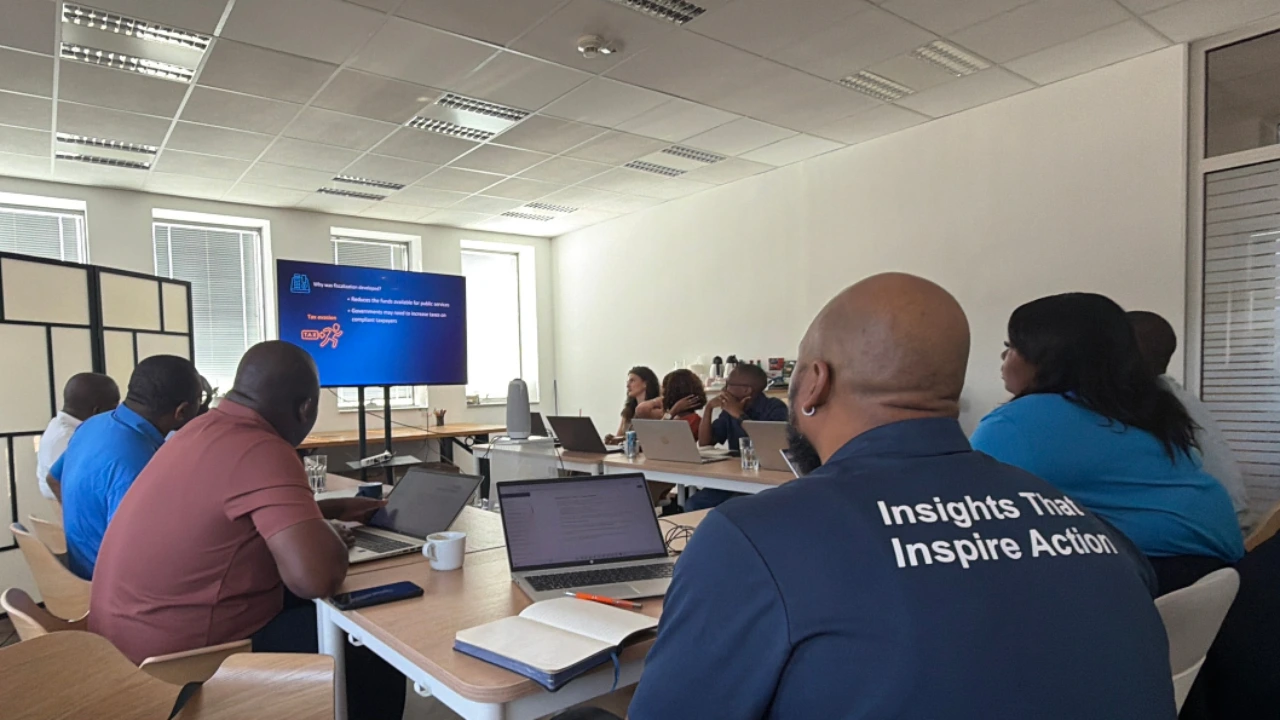
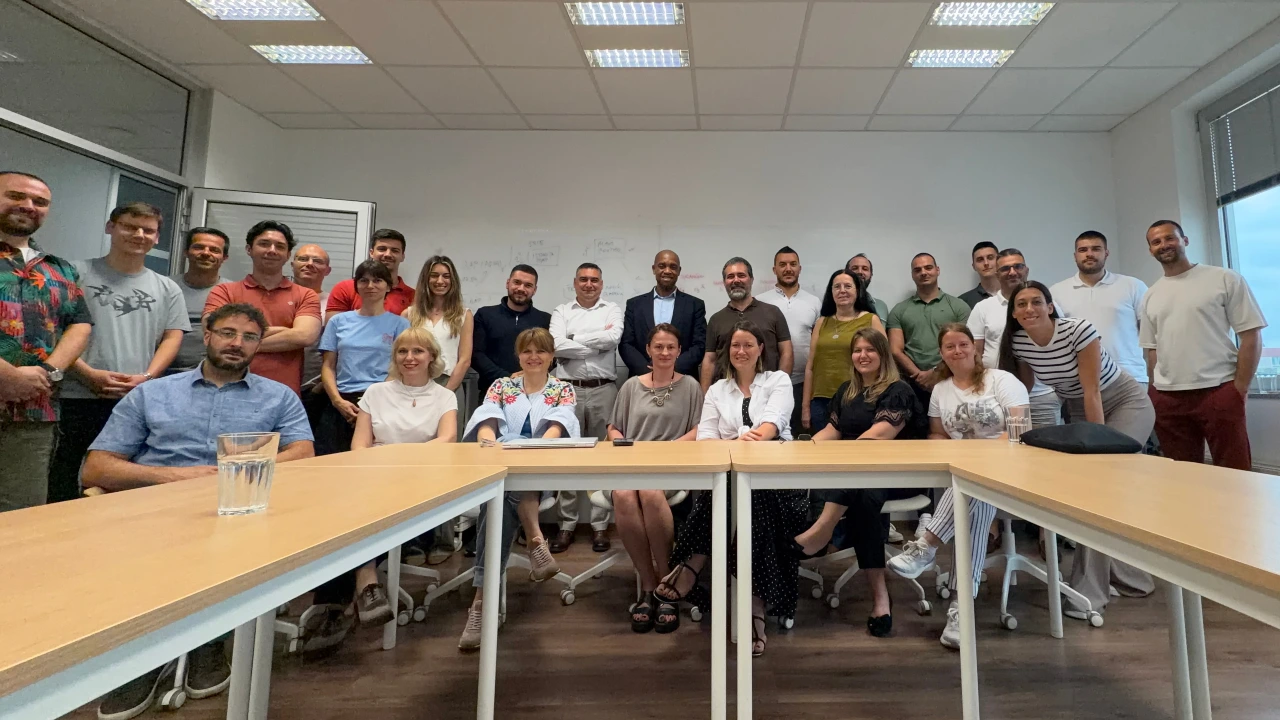
The fiscal receipt has acquired a remarkably ambitious job description. It must establish that a sale took place, help protect VAT revenue, reveal patterns of economic activity and increasingly support decisions about which businesses deserve closer examination. Quite a promotion for something that usually spends its final moments crumpled in a shopping bag. At ENCORE 2026: Customers in Action, that humble transaction record became the starting point for a much larger conversation. From 25 to 28 October, Data Tech International (DTI) welcomed tax administrations, industry specialists and international experts to Nadi, Fiji, for its first company organized conference.
The choice of name was deliberate. Customers in Action meant placing the experiences of revenue authorities at the centre of the discussion. Their successes provided evidence of what works. Their difficulties exposed the practical costs of reform. Few things are quite as instructive as hearing how an elegant technological concept survives its first encounter with an actual tax administration.
Across the gathering, one question kept returning: what must governments do to turn the growing volume of fiscal information into better public administration? The answers extended from revenue collection and taxpayer behaviour to interoperability, artificial intelligence and the institutional foundations of lasting reform.

Five Key Takeaways from ENCORE 2026
The conference offered five conclusions of particular significance for the future of digital tax administration.
1. Fiscal visibility strengthens domestic revenue mobilization. Reliable transaction reporting can improve compliance and support stronger collection under existing tax rules. The economic benefit depends on how administrations use the information.
2. Interoperability deserves early investment. Shared standards, consistent data and trusted exchange arrangements enable fiscalization, electronic invoicing and continuous transaction controls to develop coherently.
3. Taxpayers and consumers influence the success of reform. Clear services, timely information and meaningful incentives encourage participation and help administrations convert digital capabilities into practical outcomes.
4. Analytics must remain explainable and accountable. Risk indicators can improve prioritisation, while responsibility for assessment, investigation and enforcement remains with the competent institution.
5. Sustainable reform requires a functioning ecosystem. Technology providers, public officials and businesses need stable rules, predictable processes and the capacity to adapt as fiscal requirements evolve.
Taken together, these lessons suggest a practical direction for tax authorities seeking greater value from their existing investments. The quality of data, the people interpreting it and the institutions acting on it will determine the ultimate return.
The Revenue Governments Already Have
For finance ministries facing persistent budgetary pressure, raising tax rates is an obvious instrument. The more difficult exercise is determining how much revenue remains uncollected under the rates already in force. At ENCORE 2026 this question gave particular weight to the experiences shared by Samoa, Fiji and the Republic of Srpska, all TaxCore users. Their fiscalization programmes operate in different economic and institutional circumstances, yet each illustrates the importance of making commercial transactions visible and improving the discipline of tax reporting.
The Republic of Srpska offered a striking illustration of changing visibility. Recorded fiscal turnover rose from approximately BAM 11.3 billion in 2023 to BAM 25.3 billion in 2025. Those figures describe turnover captured by the fiscal system. They require interpretation alongside changes in coverage, economic activity and implementation. Still, they demonstrate the scale of information governments can gain.
The wider fiscal argument is compelling. Better reporting, targeted enforcement and stronger voluntary compliance can broaden the effective tax base. For governments, this creates additional room to finance public priorities. For compliant businesses, it offers the prospect of fairer competition and a more evenly administered tax system.
ENCORE 2026: When Tax Data Becomes Public Infrastructure
A nation’s fiscal architecture increasingly extends beyond individual cash registers and reporting platforms. The challenge is to make transaction information reliable, accessible and useful across the administration.
Belgium’s experience, presented by Jan De Loddere, illustrated the progression. Its GKS 1.0 system secured point-of-sale transactions while leaving detailed information largely accessible on premises. GKS 2.0 is designed to bring structured data online, enabling near-time monitoring, better audit selection and earlier identification of irregularities. The resulting data quality becomes as important as the speed of transmission.
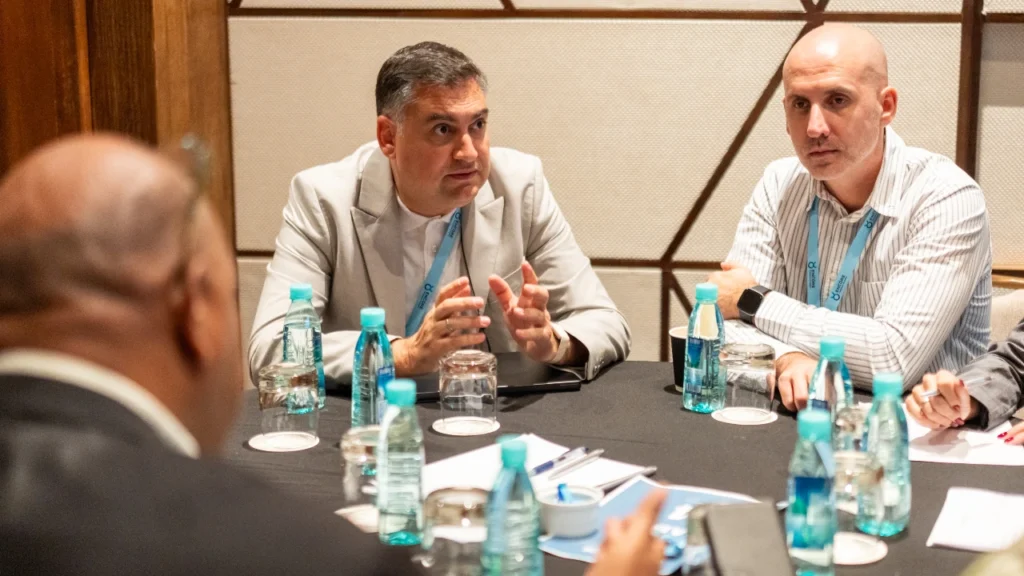
The discussion on Continuous Transaction Control, involving DTI’s CEO Goran Todorov, Hans Berg, founder and CEO of Arratech, member of the OpenPeppol Managing Committee. Petero Maivucevuce, Head of Secretariat, Pacific Islands Tax Administrators Association (PITAA), and Igor Ujhazi CEO of The RegTech, took this argument into the wider operating environment of tax administrations. Continuous access to information requires appropriate legislation, institutional capacity, secure identities and clearly defined responsibilities.
Hans Berg’s examination of Peppol illustrated why shared standards and interoperable networks matter. An invoice that arrives instantly but cannot be understood by the receiving system offers limited administrative comfort. As fiscalization, electronic invoicing and reporting converge, common definitions and trusted exchange arrangements become fundamental infrastructure.
The Human Economics of Compliance
Technology can verify an invoice in seconds. Persuading someone to request, retain or scan that invoice is a more complicated undertaking, governed by everyday habits and incentives.
DTI’s Maja Miodragović Kecojević demonstrated during ENCORE 2026 how verified fiscal receipts can support loyalty programmes, allowing a genuine purchase to become the basis for points and rewards. Marko Denić extended this discussion to consumer verification and reporting, examining how public participation can help administrations identify missing or invalid invoices. A QR code is useful; a compelling reason to scan it is better.
Another important perspective came from Teodora Ugrenović’s work on the taxpayer journey. Administrations already collect signals about invoice errors, gaps, inactivity and unusual reporting patterns. Some of that information can also help taxpayers resolve problems through timely, intelligible communication.
These discussions raised an important administrative question: how should information serve both compliance oversight and the people subject to it? Well-designed services can reduce avoidable errors, support voluntary participation and make public administration more effective. Taxpayer experience deserves a place alongside technical performance when governments evaluate reform.
ENCORE 2026: AI Meets Institutional Responsibility
The growing sophistication of fiscal data has created opportunities for more advanced analysis. Large volumes of transaction records can reveal patterns that would be difficult for individual analysts to identify through conventional reporting alone.
In a fireside conversation with Igor Ujhazi, DTI Product Owner Marko Denić discussed the development of TaxCore Analytics. The product is being designed to support explainable risk indicators, alerts, taxpayer prioritisation and detailed examination of the transactions behind analytical findings.
The distinction matters. An unusual pattern can justify further investigation; it cannot establish tax evasion. Denić and Ujhazi examined the responsibilities that arise when analytical systems begin influencing administrative decisions, particularly the need for traceable evidence, human oversight and clear institutional ownership.
A useful test emerged from the discussion: when a Commissioner asks why a taxpayer was flagged six months earlier, who can explain the decision? Sophisticated algorithms will have limited public value if nobody can answer that question. Responsible adoption begins with reliable data, properly governed experimentation and officials equipped to exercise informed judgement.

Following the Money Through a Changing Economy
The digital economy has made the apparently straightforward question of who received payment for a sale considerably more interesting. Professor Richard T. Ainsworth of Boston University explored how online orders, payment facilitators, intermediaries and automated settlement arrangements can fragment the financial trail of a transaction. A restaurant’s original sale, for example, may be followed by payments to several service providers before the merchant receives its final settlement.
For tax administrations, the accounting implications are substantial. The original economic transaction must remain reconcilable with the fiscal invoice, payment records, deductions and subsequent adjustments. Otherwise, increasingly sophisticated payment infrastructure can make the taxable picture harder to reconstruct.
Ainsworth’s contribution placed a familiar challenge in a contemporary setting. As business models evolve, authorities need to understand the systems through which commerce operates. Reliable transaction records provide the starting evidence for that work, while access to complementary information makes the picture more complete.
Building an Ecosystem That Can Endure
Digital reform must also survive the less glamorous realities of software maintenance, vendor accreditation, changing technical requirements and daily taxpayer support. These are the conditions under which national systems earn their longevity.
The experiences of Fiji, Vanuatu and Samoa showed why a healthy vendor market matters. Revenue authorities need credible safeguards, while software providers need predictable requirements, accessible testing environments and manageable upgrade processes. Clear accreditation procedures protect fiscal integrity and encourage the participation on which taxpayer choice depends.
In his closing vision, Goran Todorov brought the conference’s themes together around the verified economic transaction. B2C receipts, B2B invoices and B2G records may serve different processes, nonetheless each contributes evidence of economic activity. Connecting those records can give tax administrations a richer foundation for monitoring, reconciliation and analysis.
For DTI, the ambition is to help administrations build systems capable of evolving with their requirements. Their long-term usefulness depends on integration, institutional capability and a sustainable relationship between authorities, vendors and taxpayers.

A First ENCORE, and a Reason to Return
Beyond the presentations, ENCORE 2026 created opportunities for discussions that rarely fit neatly into conference agendas. Bilateral meetings allowed delegations to examine their specific priorities, while informal exchanges brought together professionals confronting similar challenges across different jurisdictions.
For us at Data Tech International, the gathering was a source of considerable pride and gratitude. We were privileged to welcome people whose daily work shapes national revenue systems and whose willingness to share practical experience gave the conference its substance. We extend our sincere thanks to the Fiji Revenue and Customs Service, all participating delegations, speakers, moderators, partners and our colleagues who made the occasion possible.
Perhaps the most gratifying measure of success arrived in the feedback from delegates. Their encouragement to organise ENCORE again affirmed the value of bringing this community together. We received that message with genuine appreciation.
Our first ENCORE began with an invitation to exchange experience and examine the future of fiscal reform. It concluded with stronger professional relationships, useful questions to pursue and a shared appetite for continuing the conversation. For a conference called ENCORE, being asked to return seems an especially fitting compliment.